In our fast-paced world, self-care has become something of a buzzword. But beyond the trendy face masks and spa days, true self-care is a fundamental practice that plays a vital role in maintaining mental health and emotional well-being.
What Is Meaningful Self-Care?
At its core, self-care is any intentional action you take to support your physical, mental, or emotional health. It's not about indulgence—it's about recognizing your needs and taking deliberate steps to meet them.
Forms of Self-Care
- Emotional: Journaling, talking to a trusted friend, or attending therapy to process your feelings.
- Physical: Regular movement, adequate sleep, and nourishing meals.
- Social: Nurturing meaningful relationships and setting boundaries in those that drain you.
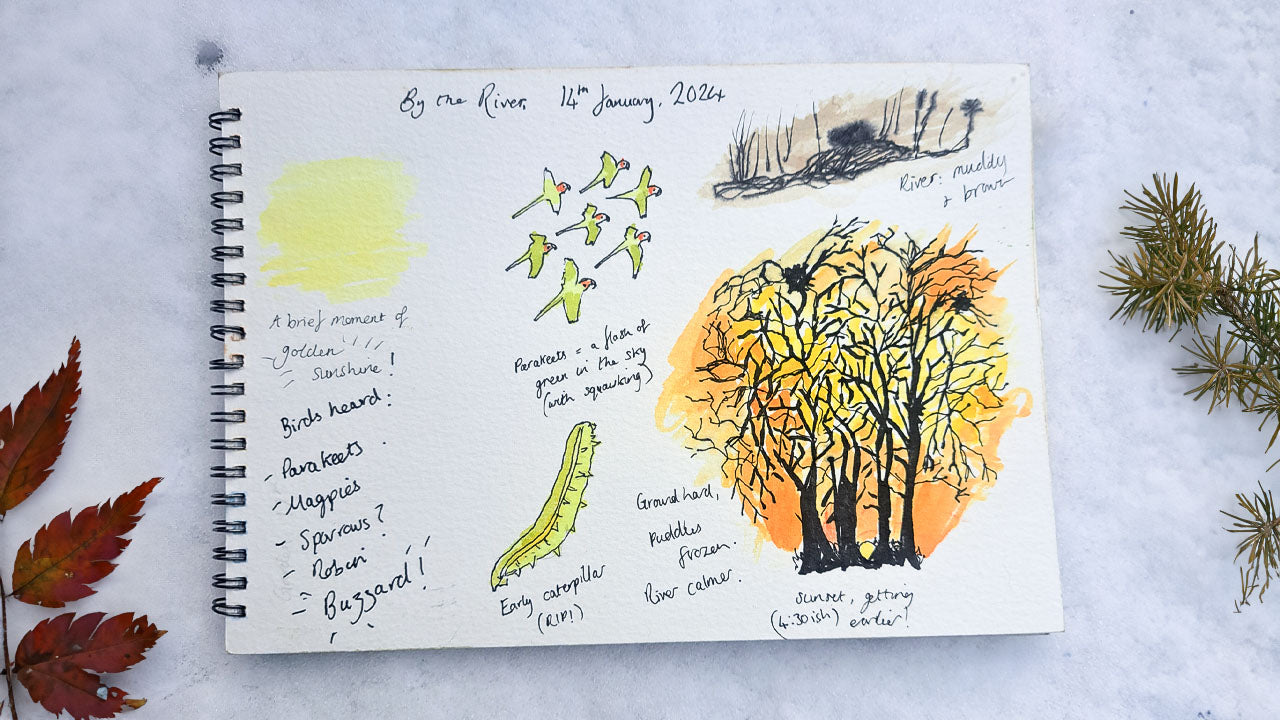
- Mental: Engaging in activities that stimulate your mind—reading, learning something new, or creative expression.
- Spiritual: Practices that connect you to a sense of purpose—meditation, time in nature, prayer, or reflection.
Building a Sustainable Practice
The key to effective self-care is consistency, not perfection. Start small. Choose one or two practices that feel achievable and build from there.
At Angus Behavioral Health, we partner with you to develop personalized strategies that support your overall mental wellness. Reach out to learn more.
Medical Disclaimer
This article is provided for general informational and educational purposes only. It is not medical advice, a diagnosis, or a treatment recommendation, and it does not create a provider-patient relationship with Angus Behavioral Health, LLC or Amanda Angus, PMHNP-BC. Always consult a qualified mental health professional regarding your individual situation. Never disregard or delay seeking professional advice because of something you have read here.
If you are experiencing a mental health crisis or thoughts of harming yourself or others, call 911 or the 988 Suicide & Crisis Lifeline immediately.
General references: Content reflects widely accepted public mental health information. For authoritative resources, see the National Institute of Mental Health (NIMH), American Psychiatric Association (APA), SAMHSA, and 988 Suicide & Crisis Lifeline.